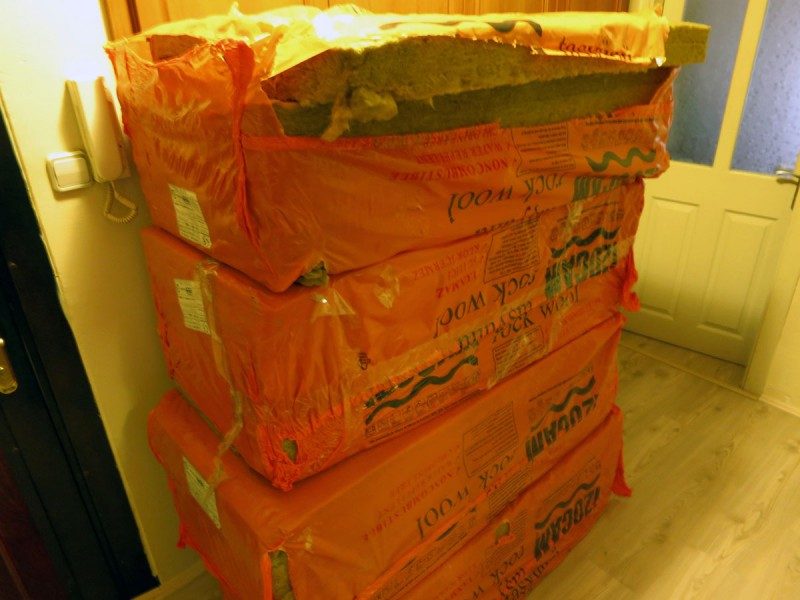
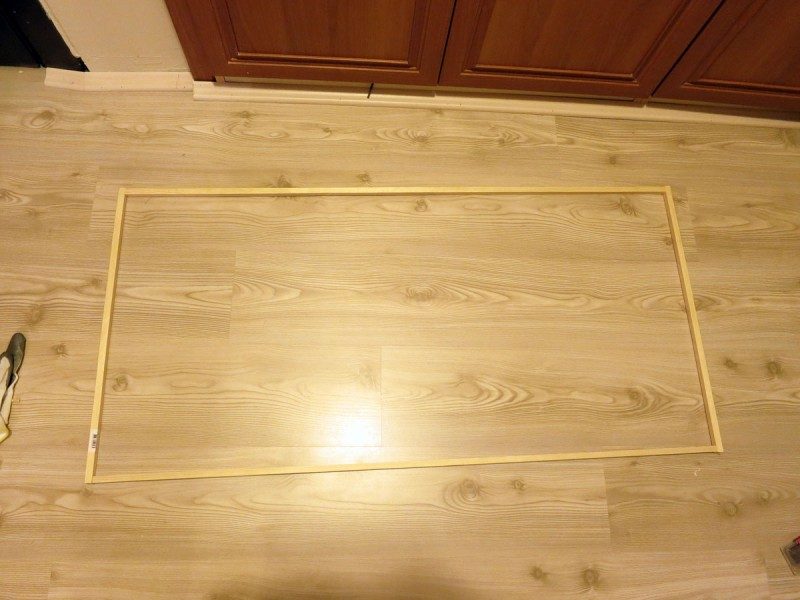
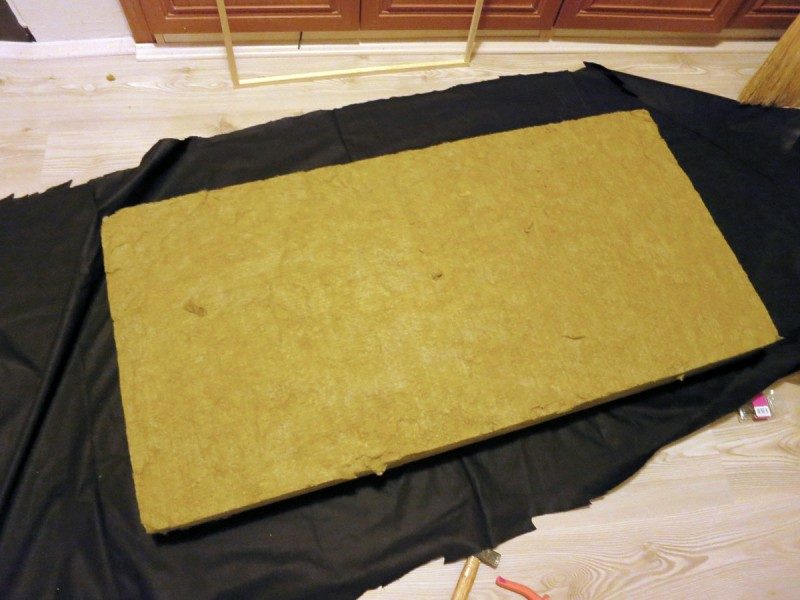
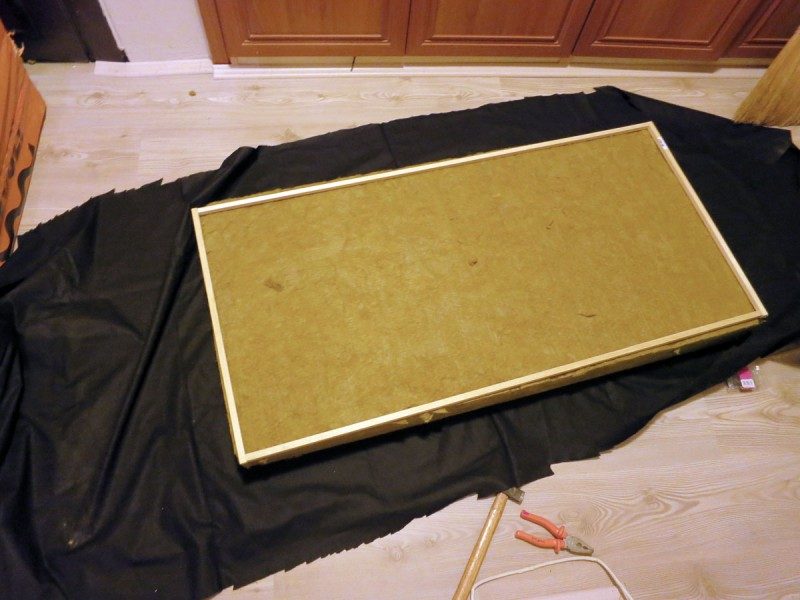
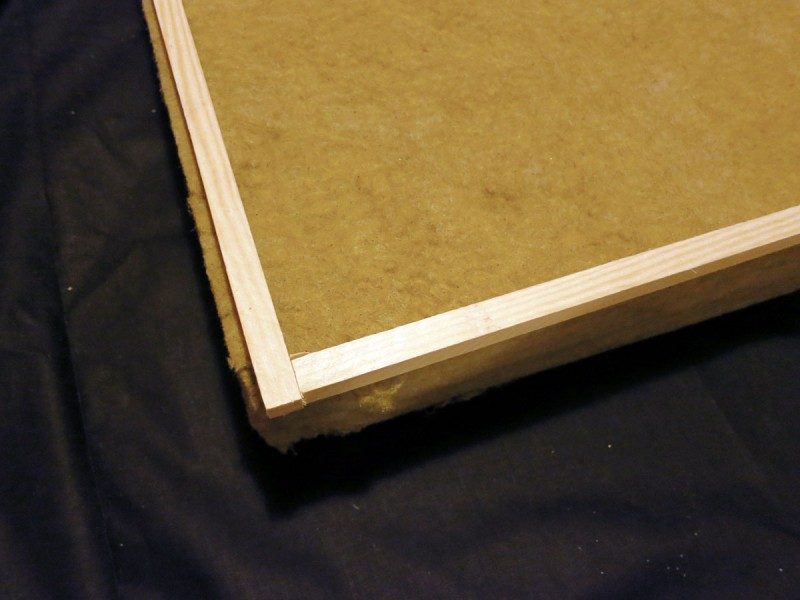
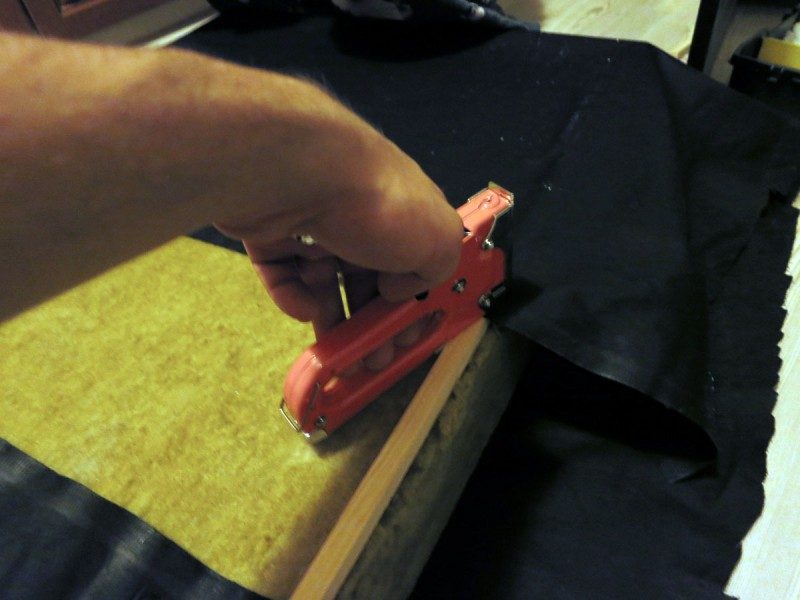
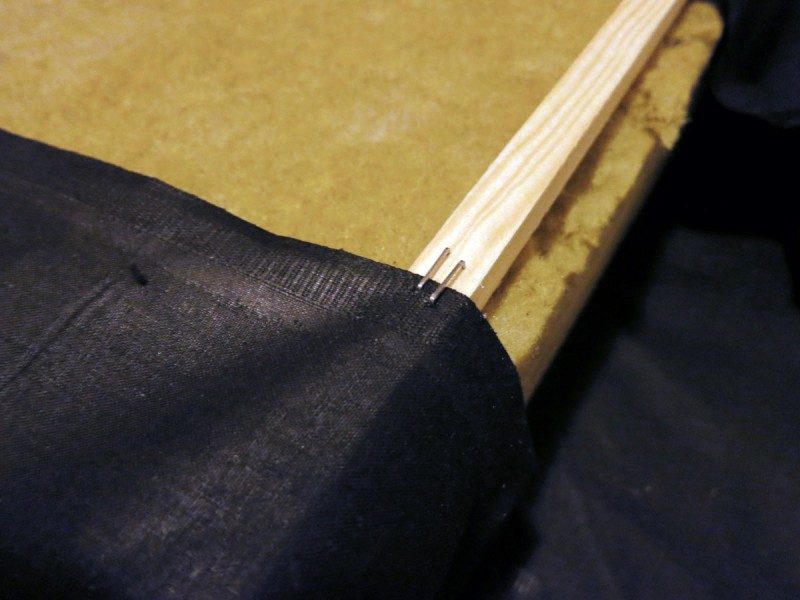
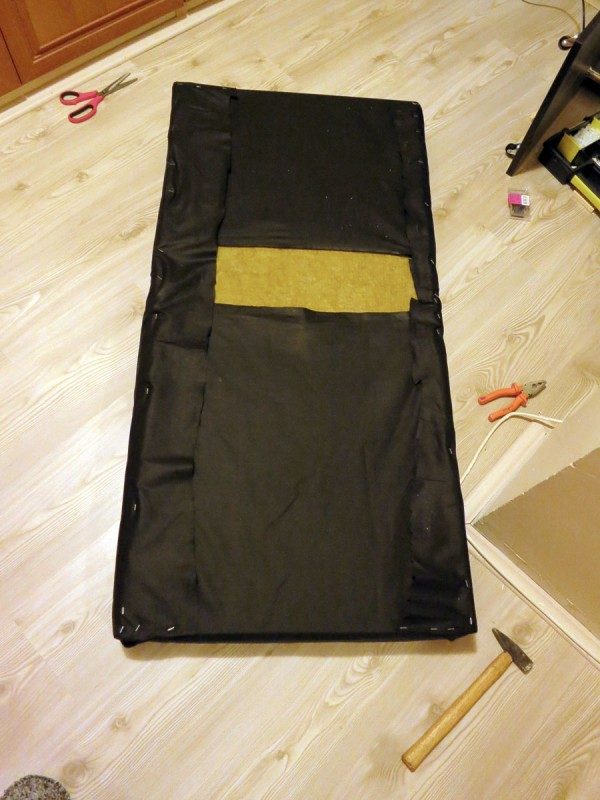
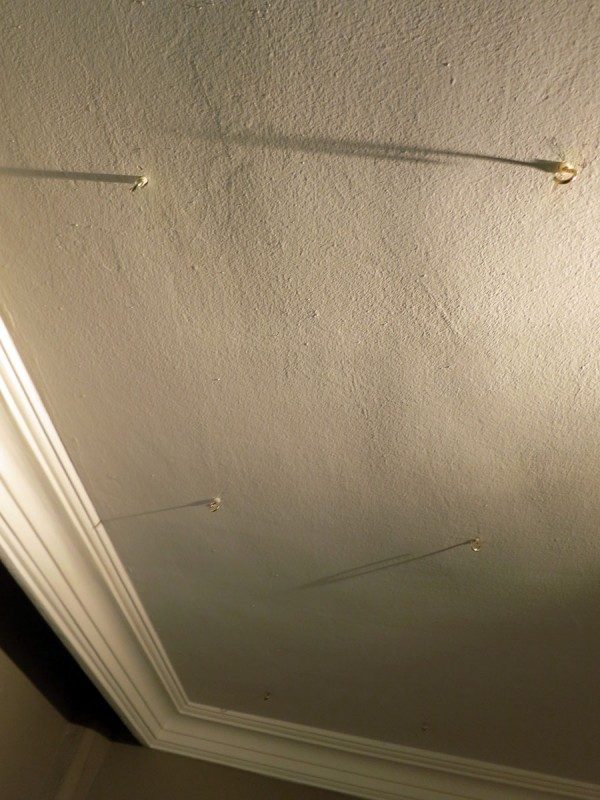
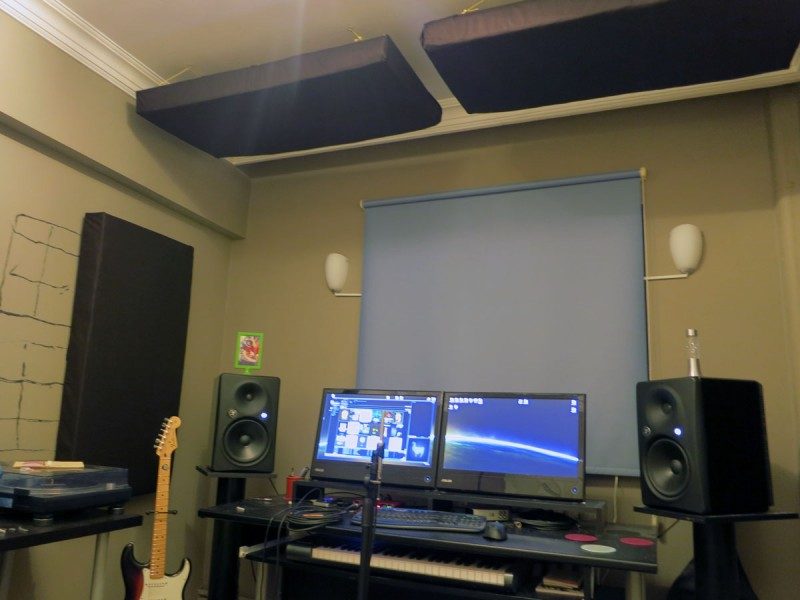
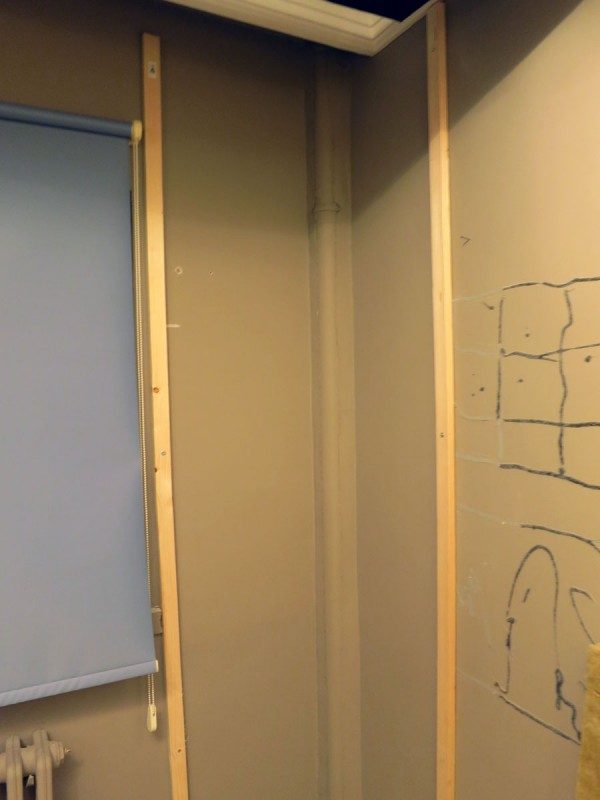
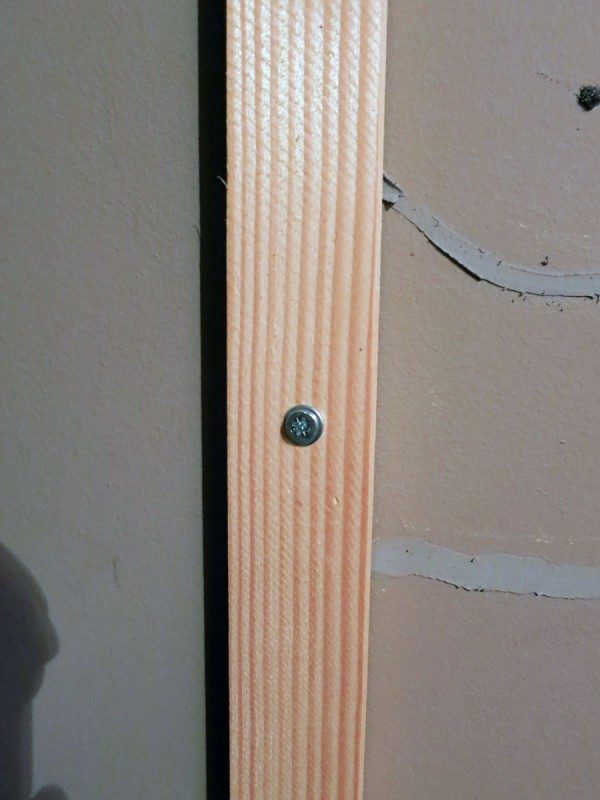
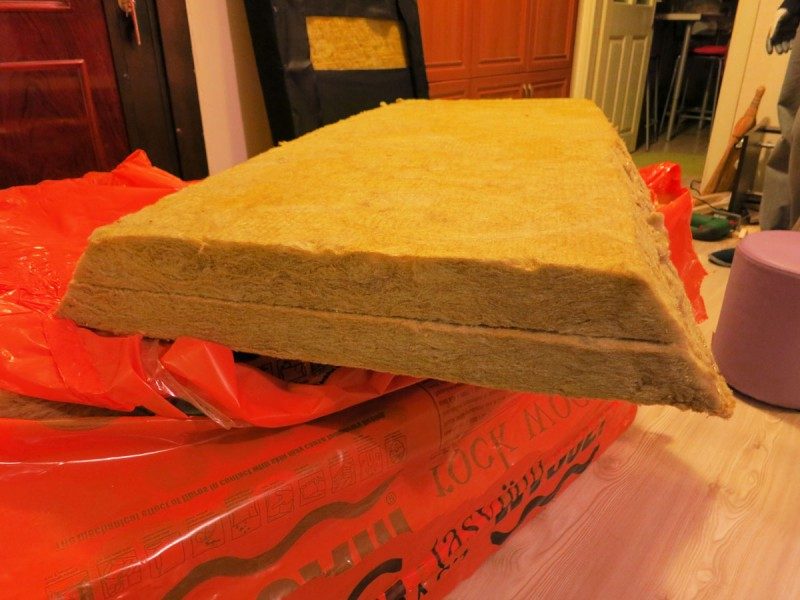
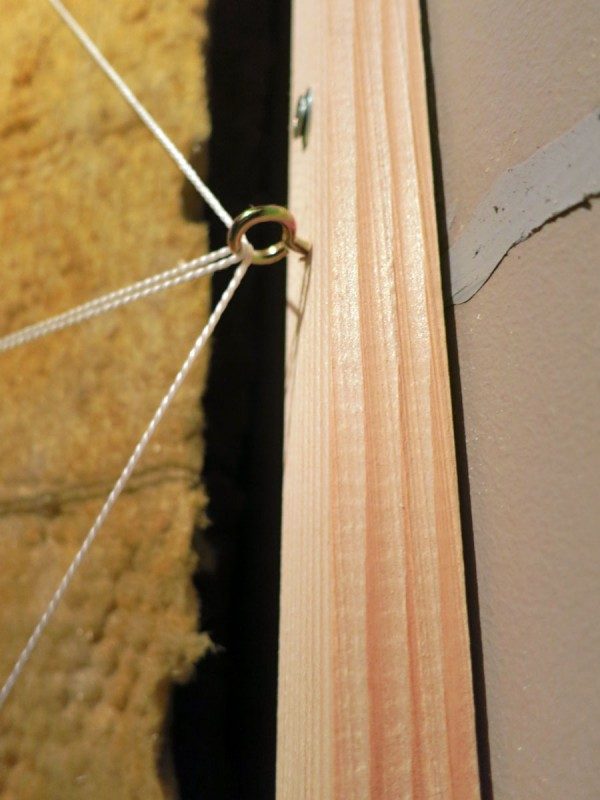
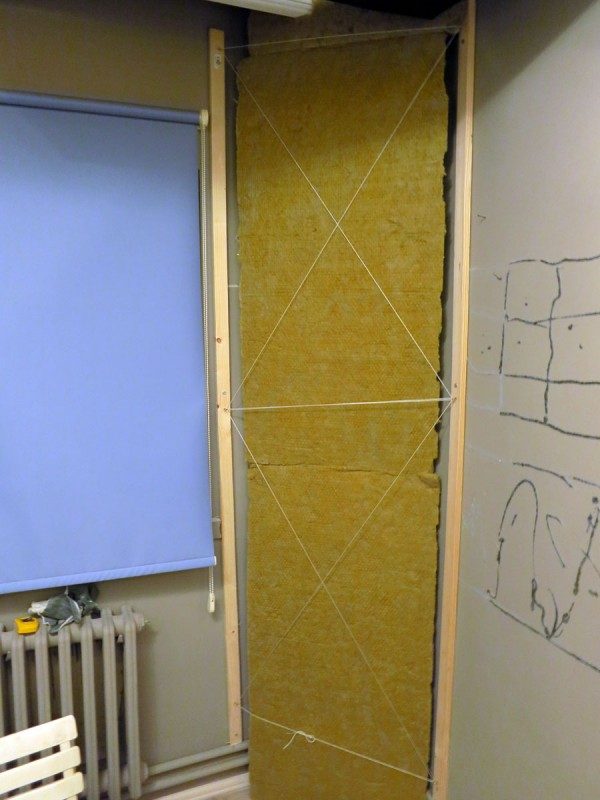
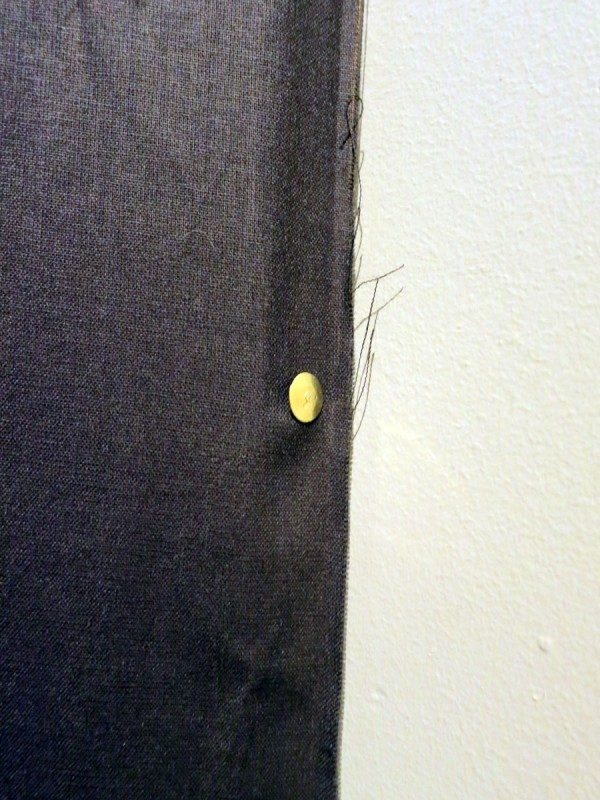
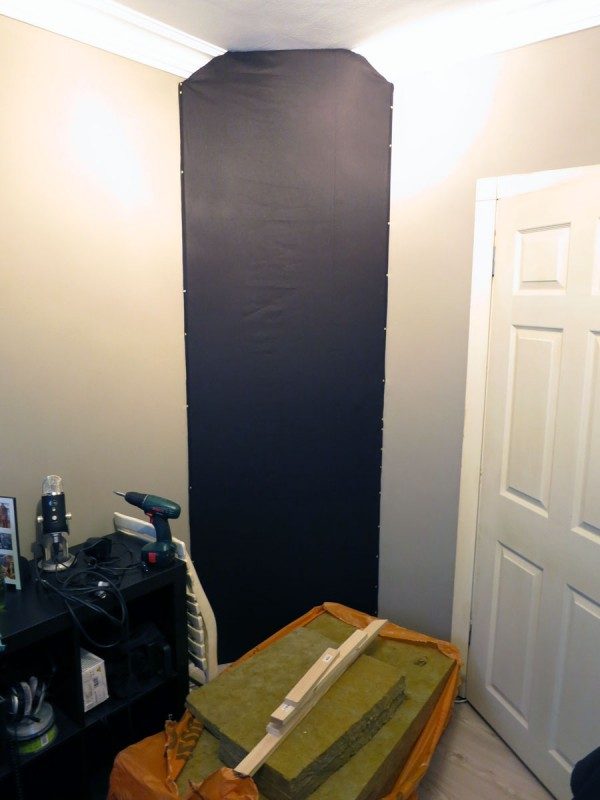
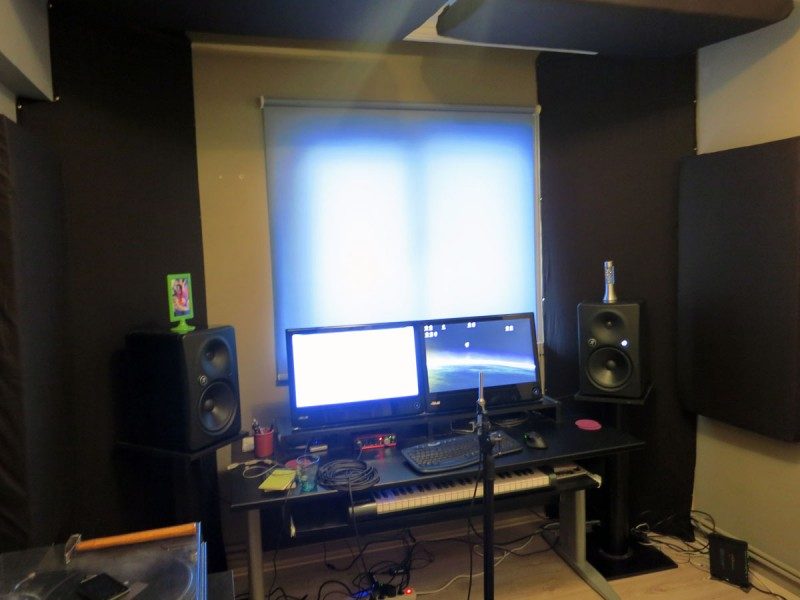
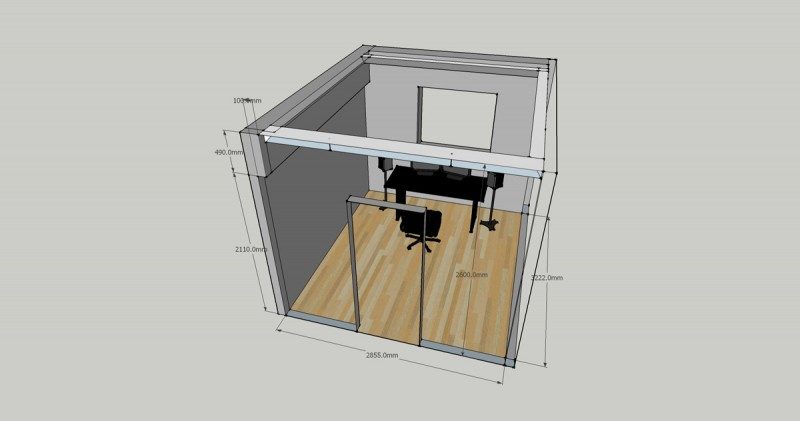
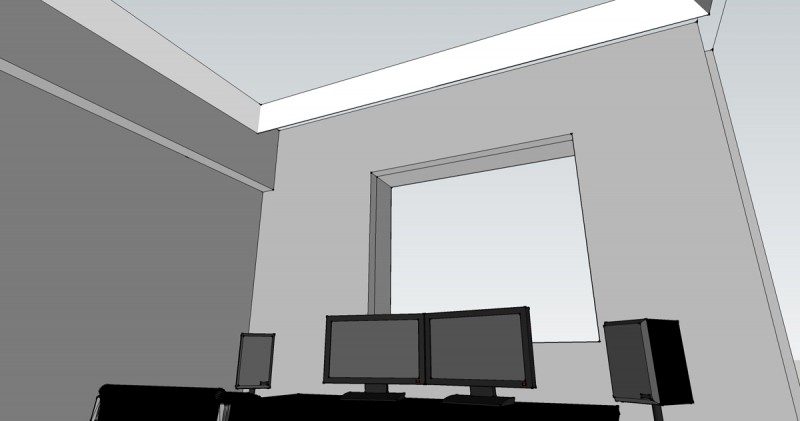
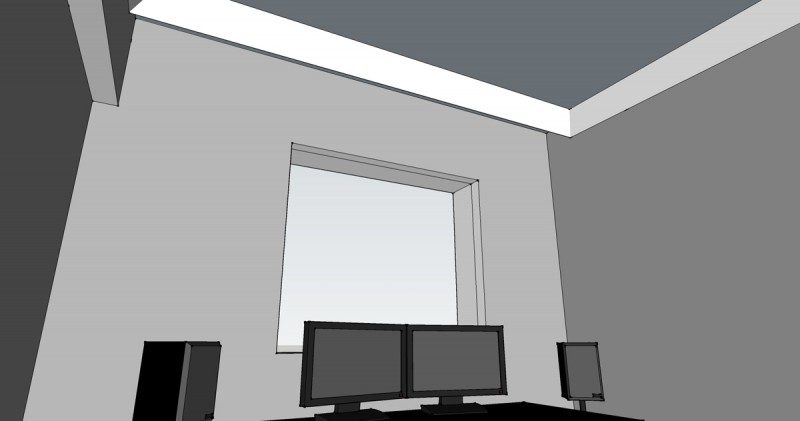
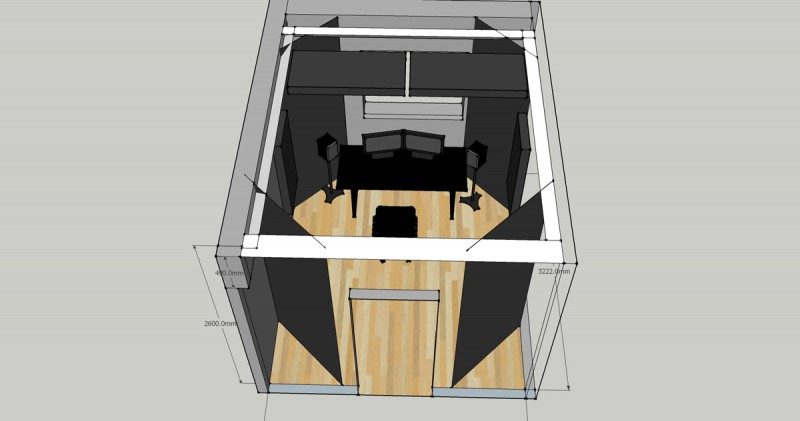
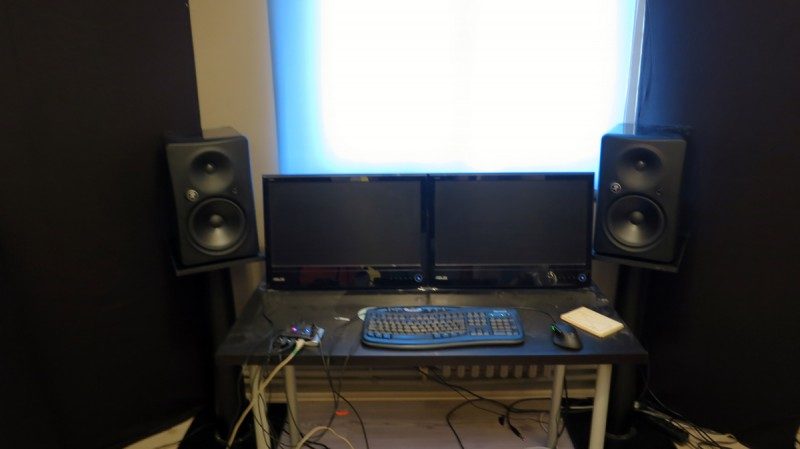
-Superchunks in 4 vertical corners (They made a HUGE difference)
:) They sure did! And so did the other things you did. That's a really nice improvement over what you had before.
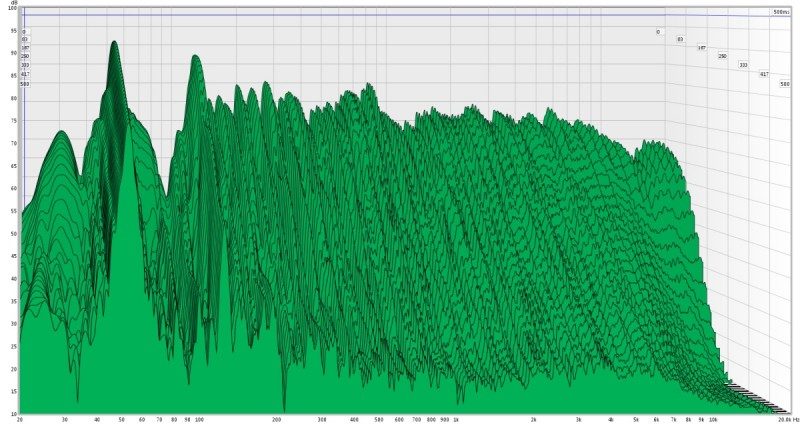
-How does the REW file look like?
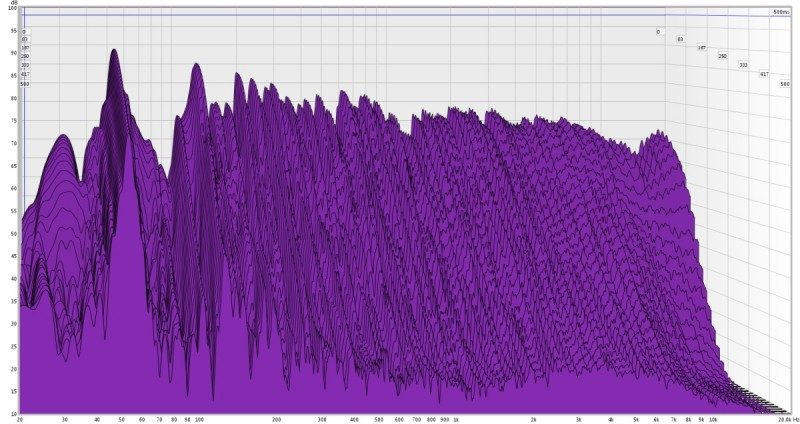
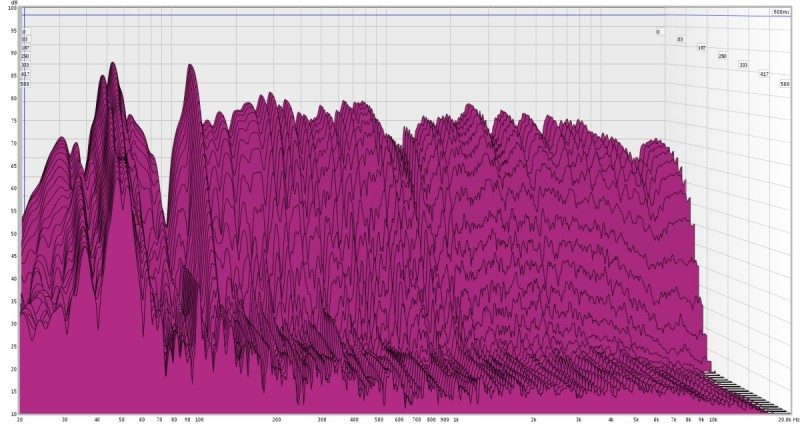
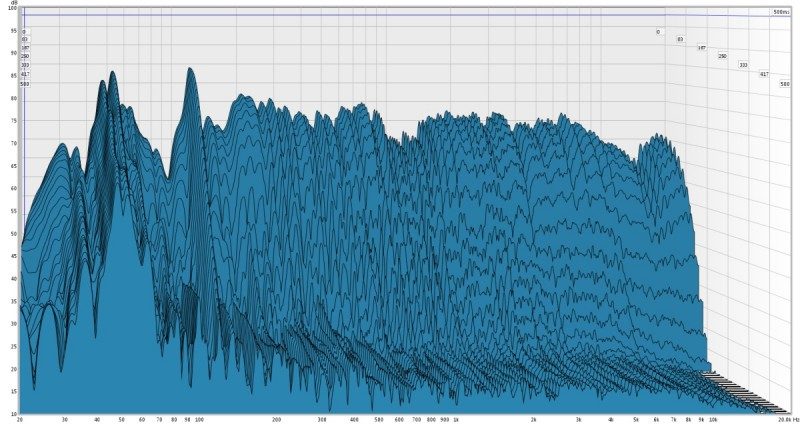
Very much better! The mode at 120 Hz is pretty much gone, and the one at 53 Hz is greatly reduced, in both intensity and decay. The decay on that one was about 1.4 seconds, and it is now down to less than half that, at about 700 ms. The intensity dropped by nearly 15 dB. The null at 90 Hz is also very much smoothed out now. I'm pretty sure that was fixed by the cloud, even though I still can't really pin down exactly what was causing it. But since it moved up in frequency, to about 105 Hz, I'm convinced that the cloud is doing that, and doing it well. You could try angling the cloud a bit more or a bit less, and see if that changes it. Also, you could put some absorption on
top of the cloud, above the hard back: that might help a little more.
Do your speakers have bass roll-off controls on the back? They might be marked something like "room correction" or "bass tilt" or "low frequency shelving" or something like that. If so, make sure they are set to -6 dB. Also, of there are high frequency controls on there, then set that to +2.
Did you face the superchunks with plastic? If not, then it might be an idea to do that. Not for the first reflection points or the large absorber on the rear wall, but just for the superchunks. You are getting to the point where you are starting to suck out a bit of the highs due to the bass trapping, so it would be good to keep the highs in the room by putting 6mil plastic over the fronts of the superchunks (between the cloth and the insulation).
-How can I improve it further?
1) Add the horizontal superchunks across the top of the front and rear walls, and maybe also the side walls, with plastic on the faces. Or as you already planned, put more insulation in the existing diagonal traps.
2) Tilt the cloud at a few different angles, and see if that changes the null at 103 Hz.
3) Angle the panel on the door: Tilt it forwards, so that the top is further away from the door than the bottom. For example, keep the bottom right against the door, but the top 20 cm away.
4) Do the other things you said: mass on the speaker stands, decouple, fix height, and treat front wall.
-Any alternatives to sorbathane?
EPDM and Neoprene rubber are possible alternatives. Your speakers are not very heavy, so you'll have to experiment a bit with strips of that rubber, until you get the correct deflection ("compression").
The changes you make now will not be as spectacular as what you have already achieved with the initial treatment, but will still be noticeable and useful. You made a major improvement with that first round, so each additional round will just add some more to that.
-Is 1.1m speaker height ok if my ears are at the same height?
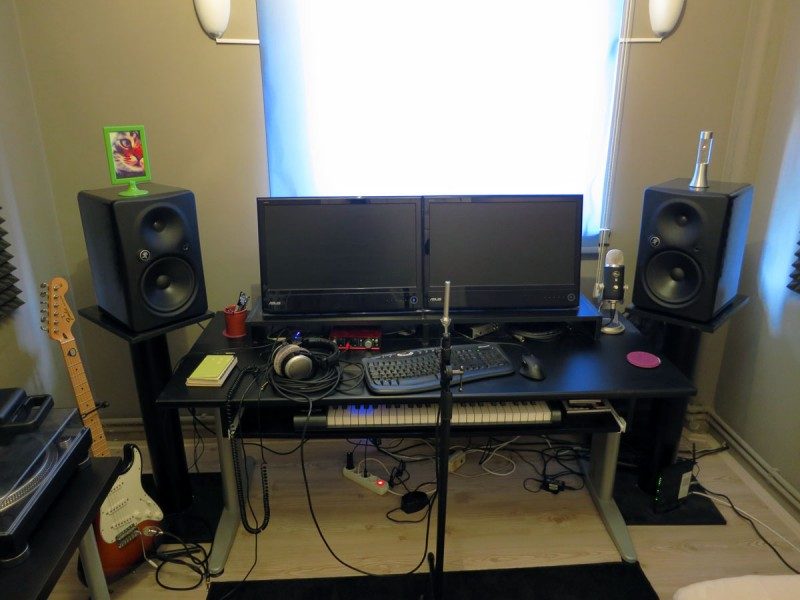
It would be better to raise both the speakers and your head, because of the reflections you are getting off the desk surface right now. As you raise the speakers, the angles improve and the reflections will then be below your ears. So if you can, raise your chair by about 15cm and raise the speakers by the same mount. 1.1m would be fine if you were not getting those reflections, but with the tight setup that you have there, there's just not enough space to be able to sit that low.
Congratulations! It's good to see such positive results, so well documented. You are getting much closer to have great acoustics, and I'm CERTAIN you must have noticed a big difference in the way your room sounds. The bass should be much tighter and cleaner now, you should have a greatly improved stereo image and soundstage, with better clarity and "air" in the highs, and an overall feel of more spaciousness in the music: less "mud".
:)
- Stuart -