I've got my eye on a few omni mics
Not just any omni mic: Get one that is specifically designed for acoustic measurement, such as the Behringer ECM8000 or the Driverack RTA-M, or other similar things. Earthworks has some nice ones too.
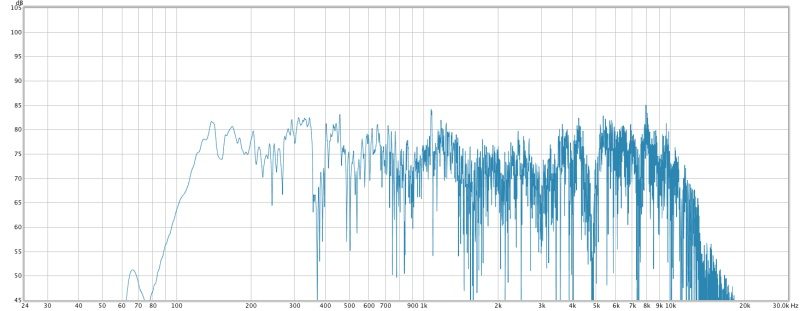
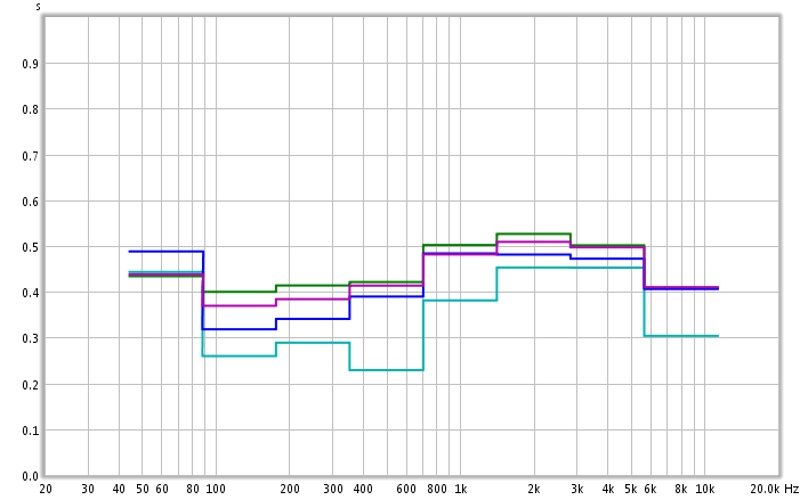
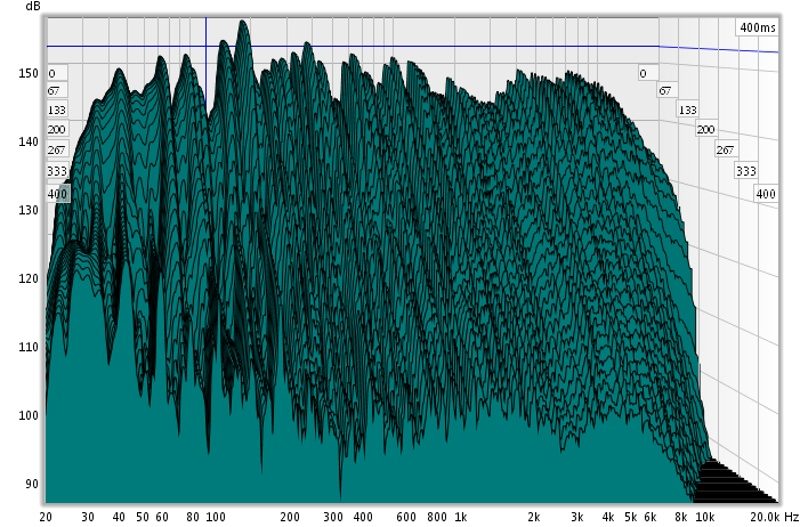
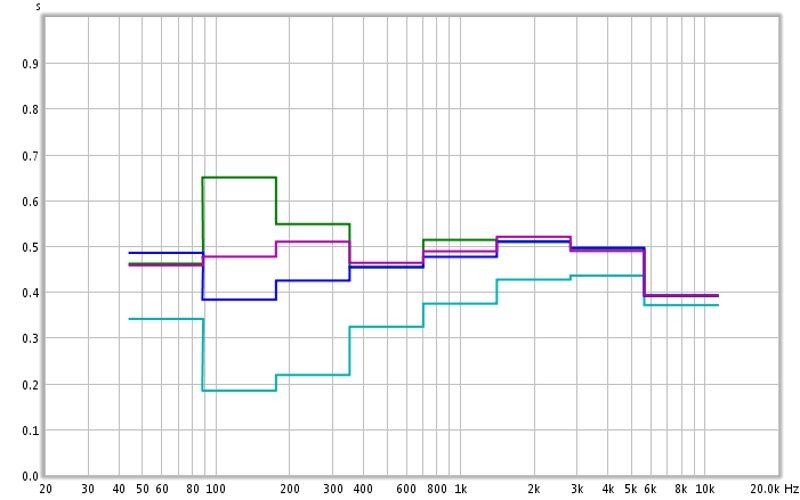
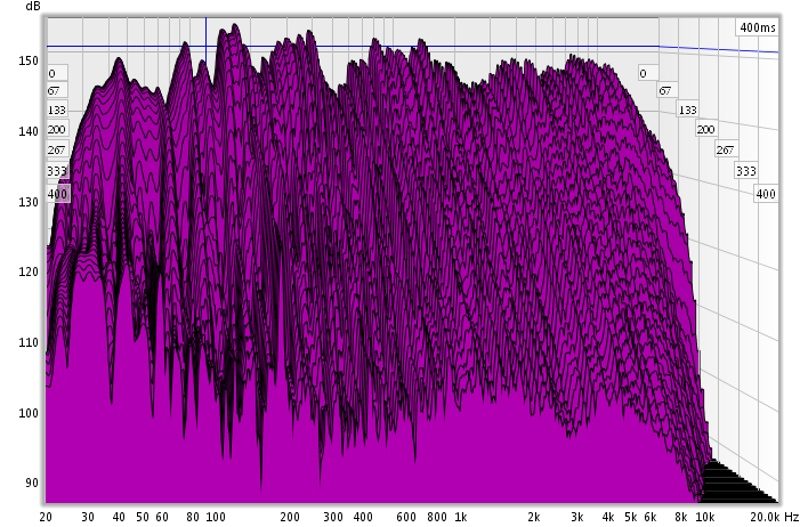
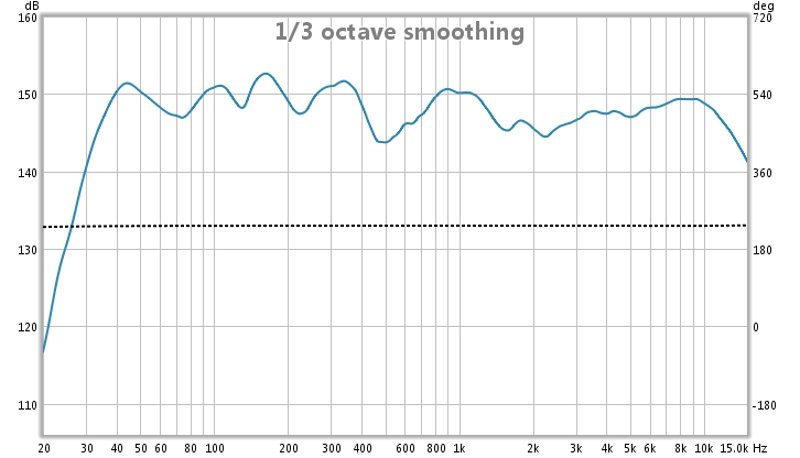
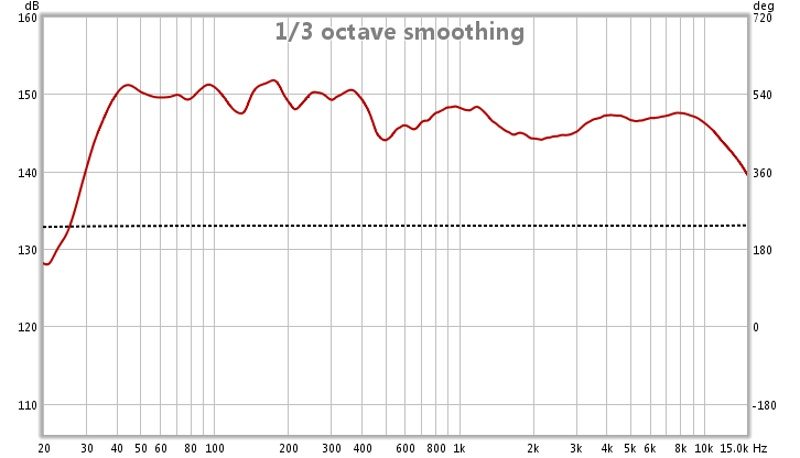
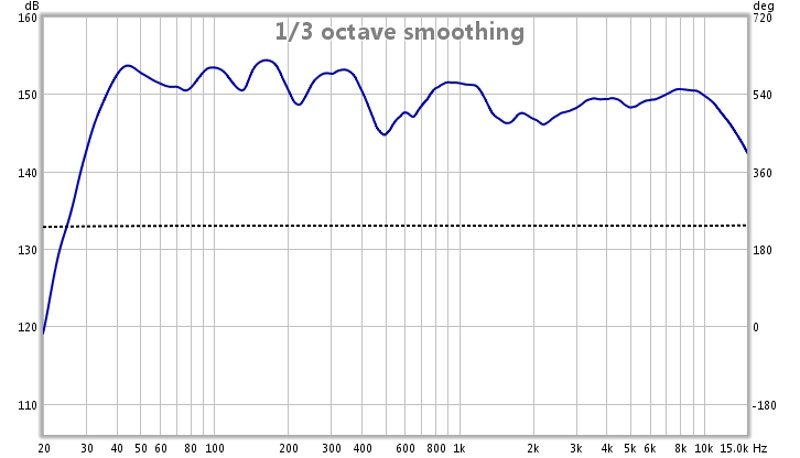
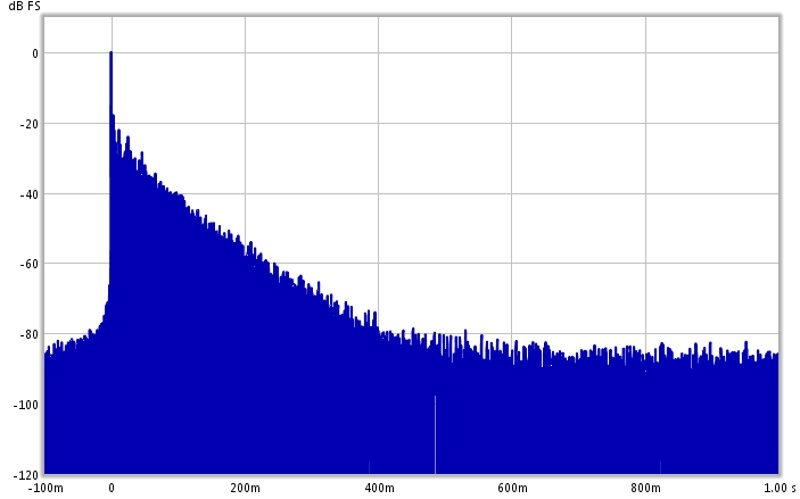
Regarding my setup, I do feel something is wrong (with regard to the pic I posted). I tried several different sweeps to get it to work (had trouble with my firewire interface). But I believe the last was 60Hz to 20kHz.
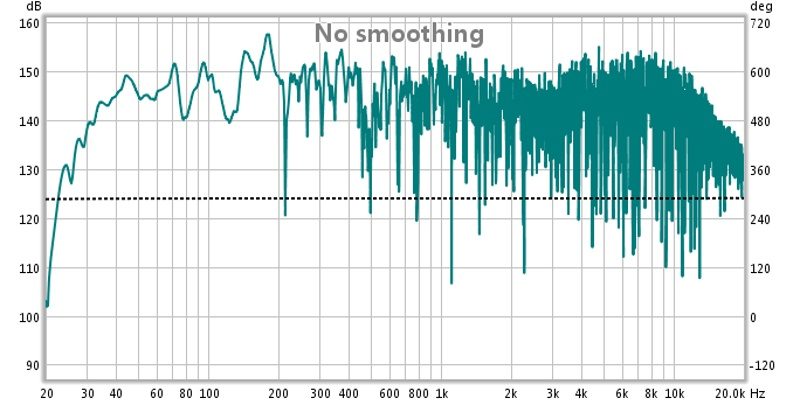
Did you do the sound card calibration process in REW? That's important for revealing possible issues in your signal path. It rules out everything internal, up to the physical signal output and physical signal input. Basically, it just leaves your amp, speakers, mic and pre-amp.
I can assure you that the sound is being reproduced in the room. I've worked as an engineer for many years (in commercial & small studios) and I know that it is reproducing the signal, but I can also hear that the room is not where it should be even for a home studio.
That's what I figured: You'd most certainly notice a 40 dB rolloff above 10 k!!!
:shock: That would be hard to miss...
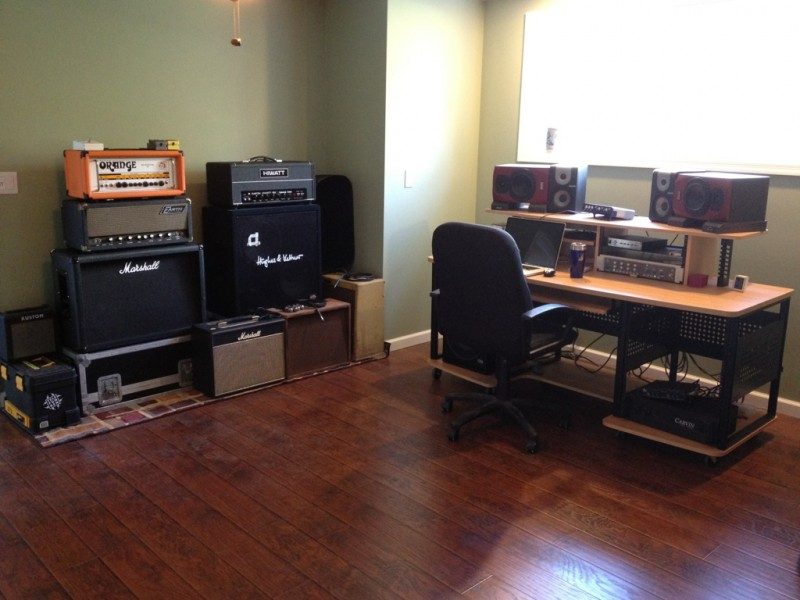
both pairs you see are nearfield monitors and are intended for use that close to your head.
since you've been in the industry for years, I guess you are aware that there is no such things as technical definition for "nearfield"? It is whatever you want it to be. Any manufacturer can slap that name on his speaker, and nobody can say that it is right or wrong to do so. It is more of a marketing hype thing than an actual measurable parameter. In reality, "nearfield" is much more of a room-related acoustic term than a speaker-related term. In acoustics, you are in the "near field" or "direct field" as long as you are at a distance less than the critical distance for that room, and the critical distance is a well defined technical parameter related to the room reverberance. The speaker used has very little relevance to that: But anyway, excuse my rant about the non-existence of "near field"! My point is that there has to be enough space between the speaker baffle surface and your head for the individual fields to merge, and unless your speaker drivers all have exceptionally broad Q, it isn't going to happen in the distance that seems to between your head and the speakers on that photo. Recommended listening distance (according to published spec from the ITU, EBU, BBC, Dolby, Genelec, etc.) is 2 to 3 m between head to speaker (roughly 6 1/2 feet to 10 feet)...
The Tannoys are on ISO pads
Well, they might help to decouple fro the surface a bit, but they do nothing at all to correct the geometry, nor do they prevent the surface reflections from the console and desk. The further you move the speakers behind the desk, the better the reflection angles become. If you ray-trace the desk and speakers edge-on, you'll see just how big of a problem this is. That's probably not what is causing your measurement issue, but it might well be a big part of your room "just not sounding right". It's amazing how much first reflections can do to muddy up the direct sound.
I'm actually working on that now but I'm actually more concerned with how close they are to the wall behind them. Do you think I'm right about that?
Exactly. That's why I recommended two things in my earlier response: First, roll off the bass response on the speakers by 6 dB, or maybe a bit less: since the speakers are up against the front wall, you no longer need the built-in baffle step compensation circuitry. The wall acts as an infinite baffle, to a certain extent, thus correcting the power imbalance in the low end. Since the manufacturer already corrected that internally, assuming that the speakers would not normally be that close to a wall, you are correcting twice (once with the wall, and once with the circuitry), so you need to "undo" the internal correction, and just allow the wall to do its job. Most good quality studio speakers have corrections for this built into the rear panel, usually called some thing like "bass rolloff", or "bass tilt" or "bass room correction", or something similar. That is meant for doing a proper soffit mount (when you would need -6dB), but since you are not in a perfect soffit mount situation, you'll probably need something like -4 dB or -5 dB.
The other recommendation was to put a thick panel of absorption between the speaker and the front wall. I would suggest a 4" panel of OC-703. The normal ize is 4' x 8', so hang one of those centered horizontally across the front wall, starting about 1 foot below the bottom of the speaker and extending up from there for 4'. That will help to deal with all of the artifacts that are being caused by that wall, such as SBIR, comb filtering, other forms of phasing and timing issues, first reflections (at least in the mids and highs), etc.
With those two in place, and the correct geometry as I mentioned in my first response, I think you'll see a noticeable improvement in accuracy, response and imaging.
I was thinking about creating a sort of a removable packing blanket/rod configuration to hang over the window during tracking/mixing so that the window reflections were a bit less of an issue.
That probably won't be enough. And unless you know the acoustic properties of the packing blanket, there's no telling what it might do to your frequency response. A panel of 703 mounted on removable stands or on wheels would do the trick.
I know I have some homework here. So far I have to get that omni mic, and take measurements of the room and create a layout using the software you mentioned. Hopefully not too difficult!
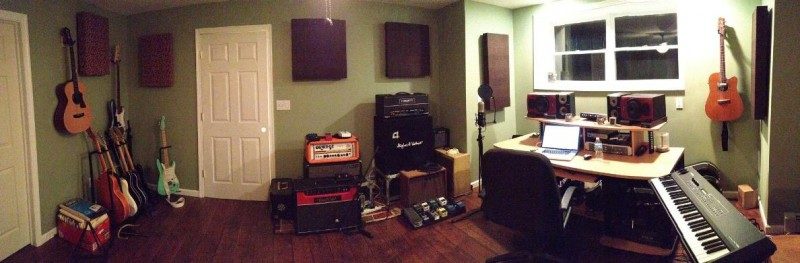
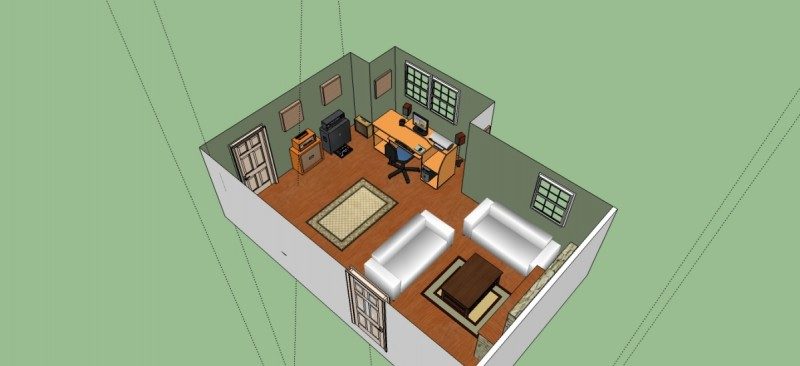
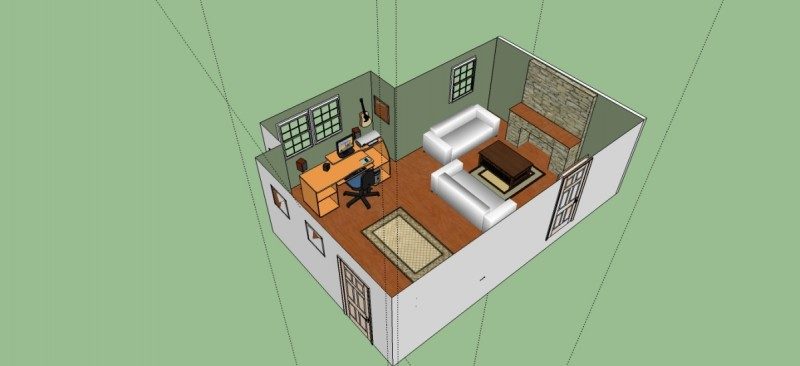
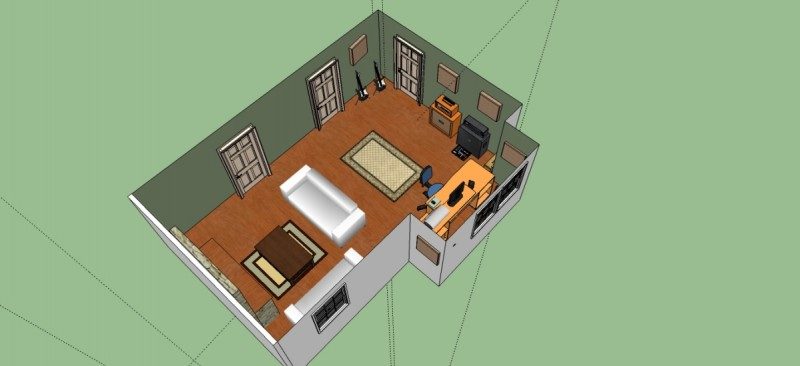
... plus teh accurate dimensions / photos of your room! We can't help to suggest improvement unless we can see what you have, and run the numbers to predict what is happening, and what you will need to do to fix it! For example, I don't seen any bass trapping in that photo, and you will need a LOT of that, since it seems to be a small room. Without good bass trapping, the room will never sound right. So please post more info on the room itself, and photos taken in other directions around the room. That would help a lot.
- Stuart -